
My experience at California's Civil Rights Summit
By Leo Albea
I've always taken my civil rights for granted… until I went to a conference specifically about civil rights and anti-hate.
Now, it's not lost on me that hate occurs. I've actually met with a lot of survivors of hate incidents and helped them tell their stories through One Down. But I guess what I'm trying to say is that the topic of hate and our own civil rights is heavy. It's not sexy, not exciting, not a dinner table topic. But regardless, it's important, especially for people in our community who tend to lack a voice, like our elders.
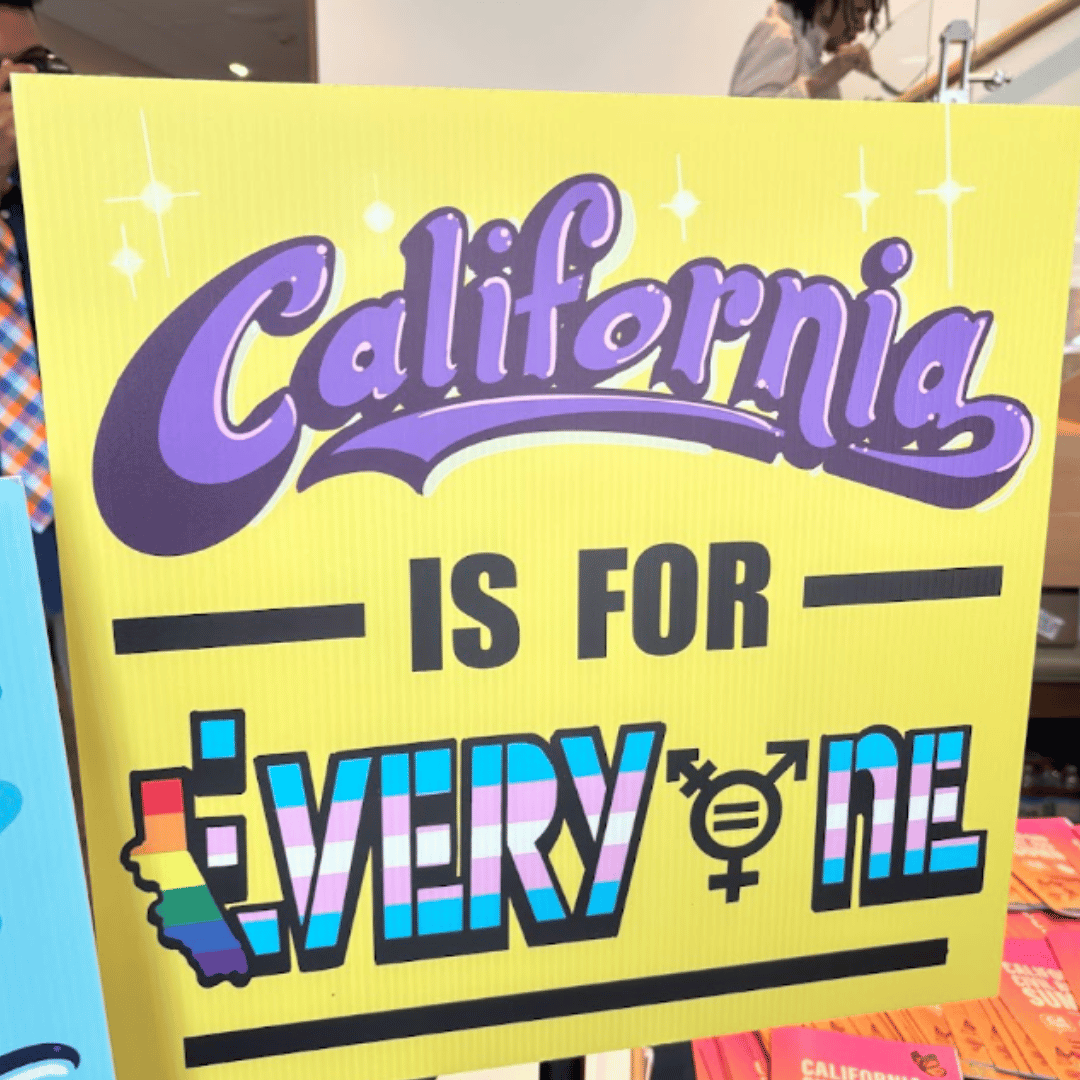
As Filipinos, we're often told to assimilate and not cause trouble (we know this as hiya, the Filipino value around shame). But going to the California Civil Rights Summit, hosted by the CA Civil Rights Department at the Commonwealth Club in San Francisco, I was exposed to so many different communities, people, and even "industries" that interact with anti-hate work.
Like how music, entertainment, and pop culture interact with anti-hate work and civil rights.
Joy as resistance
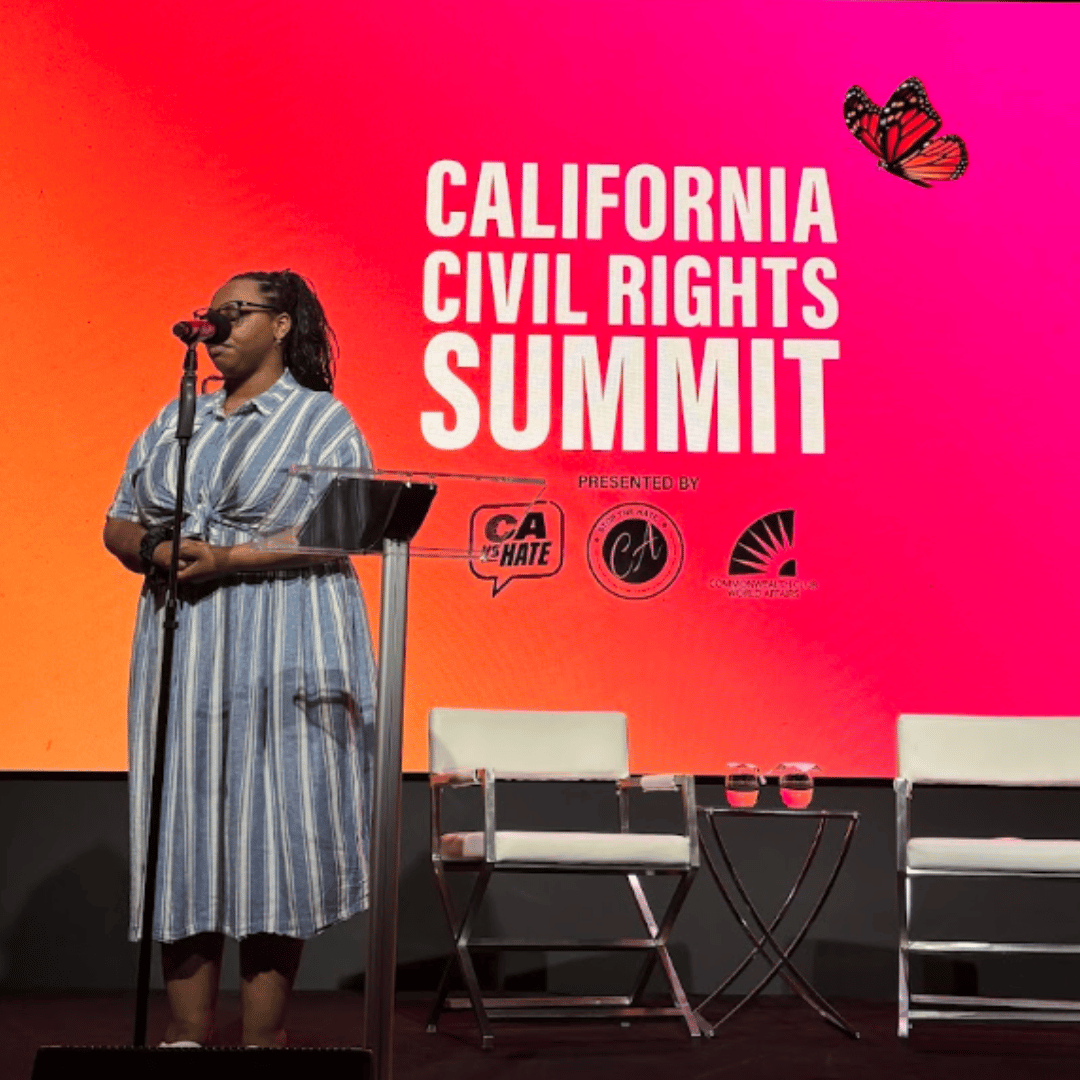
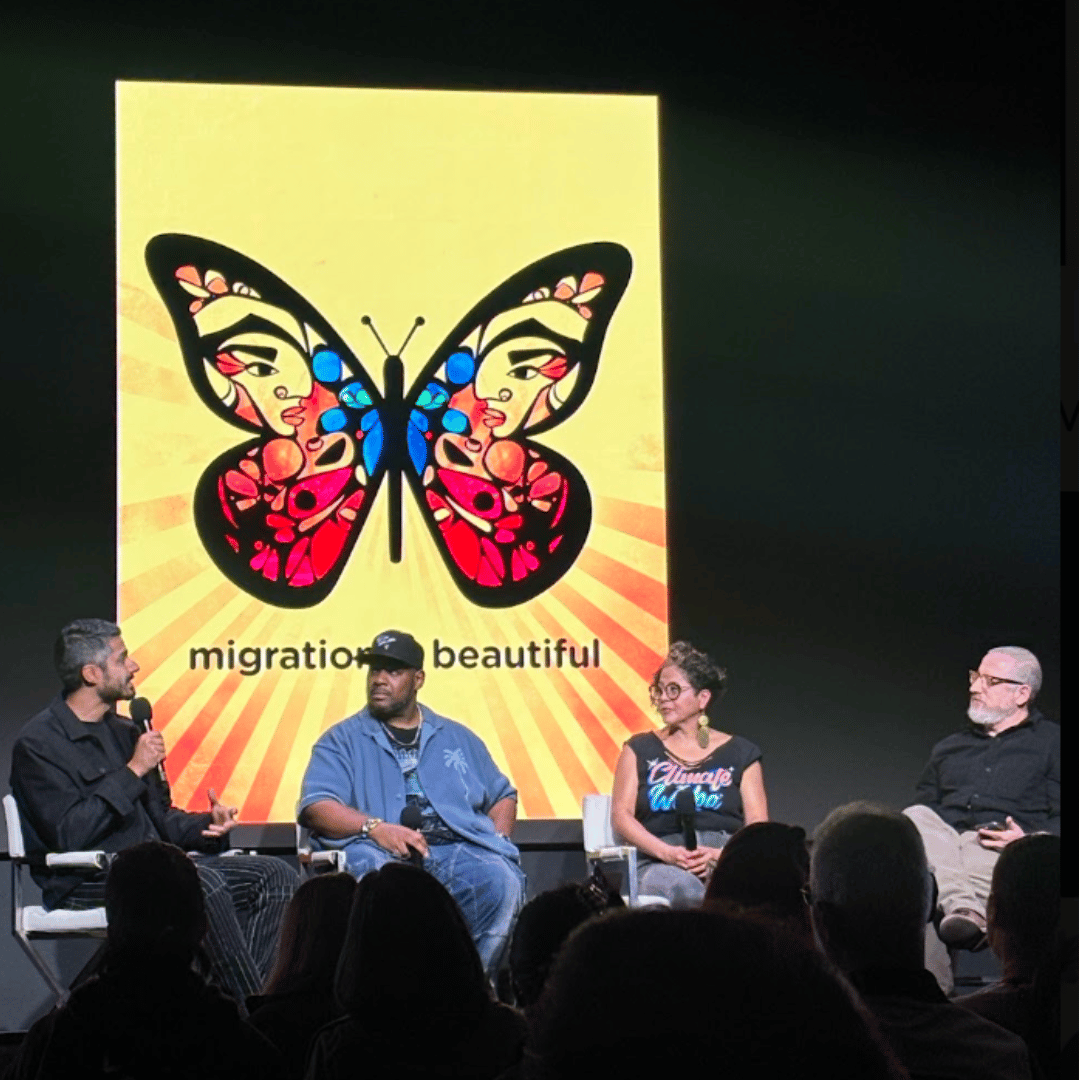
The day opened with poetry by Nairobi Williese Barnes. There was a drag performance. Pinay rapper Ruby Ibarra closed the morning with a panel called Joy as Resistance, where she talked about turning creativity into community defense. The very last session I sat in on was a panel about media, sports, and pop culture's role in ending hate.
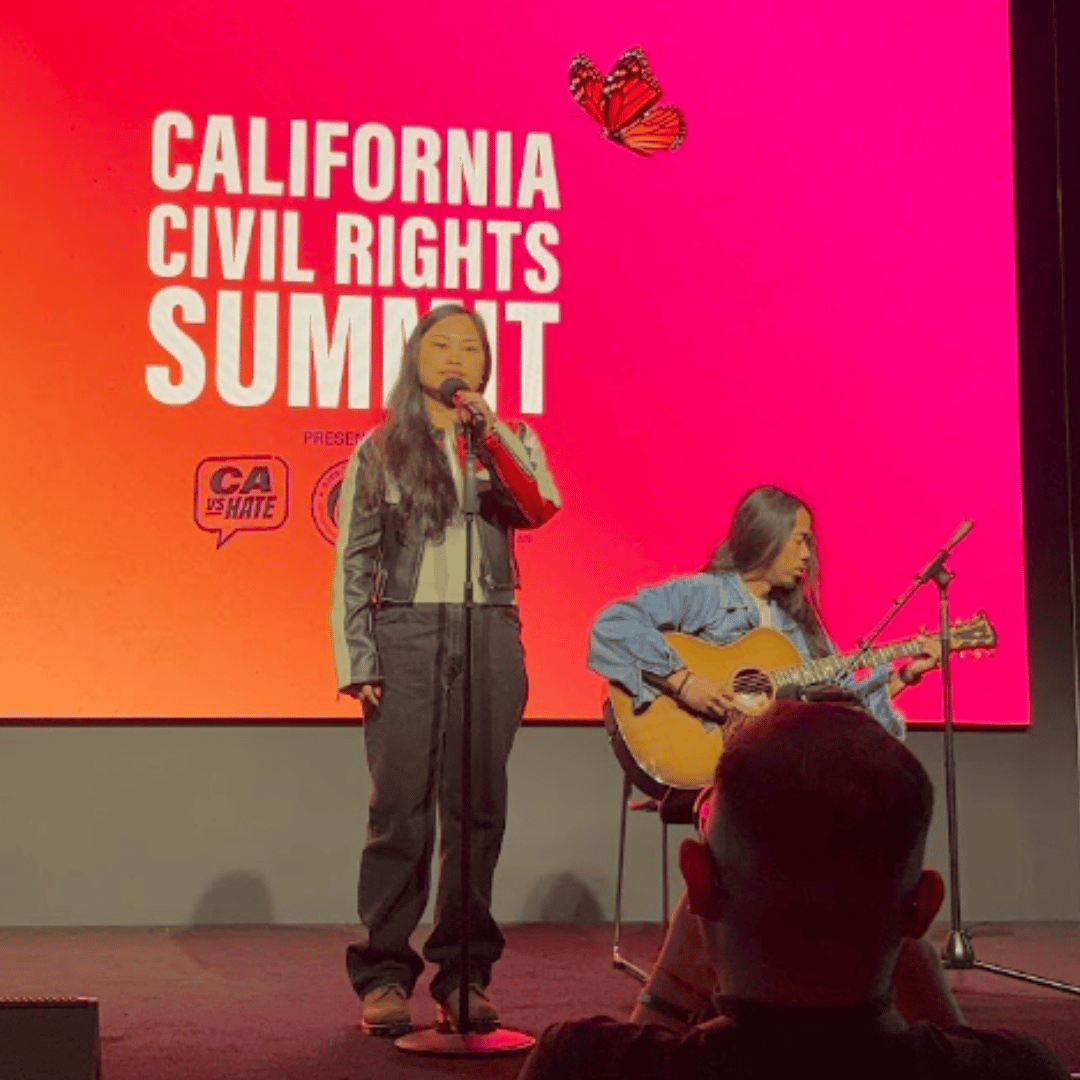
I didn't realize anti-hate work could look like this. We tend to think of it as policy and lawsuits and hate crime stats. Heavy, institutional. But the summit kept showing me it's also songs, performances, panels, and refusing to be quiet.
Ruby said something that stuck with me: we don't need to seek permission to be ourselves. For Filipinos, who are taught to be small, that hits different.
I chatted with Hong Lee
Hong Lee is the co-founder of Seniors Fight Back, a 100% volunteer-run organization that's hosted 57 free self-defense classes for more than 10,000 people in the AAPI community. She started it after experiencing a hate incident that went viral in 2020. After she shared the video, she told me, "five other victims also stated they were also assaulted by the same man."
I asked her why they focused specifically on seniors. "Each and every single person that was assaulted reminded us of our own grandparents, parents, aunts, uncles."
But here's the line that stopped me. When I asked her what's shifted since she started, she said: "In the AAPI community, we're taught to keep our head low, not cause any issues and internalize anything that happens to us. It seems people are going back to their ways of not reporting and speaking up."
That's hiya. She didn't use the word, but that's what it is. Our own value, used against us - telling us to swallow what happened so we don't make anyone uncomfortable.
The workshop that made me sit with something
The last thing I want to talk about is a workshop I went to in the afternoon, led by Roxy Manning. Her whole thing is walking former white supremacists out of the movements they were part of.
She said hate functions like an addiction. One former white supremacist she worked with told her, "It took me less than two years to learn to hate. It took me nine years to unlearn it." And the only thing she's found that gets people out is empathy, meeting them with open arms, with compassion, even when they don't deserve it.
That's extremely hard. I had to let that sink in.
It takes the same kind of effort, the same kind of intervention, to support a person leaving hate as it does to support someone leaving an addiction. We don't think about it that way. We want hateful people to disappear, to get punished, to feel bad. Roxy was saying that's not what works. What works is being a person they can come back to.
I'm still sitting with that one.
What I'll take away
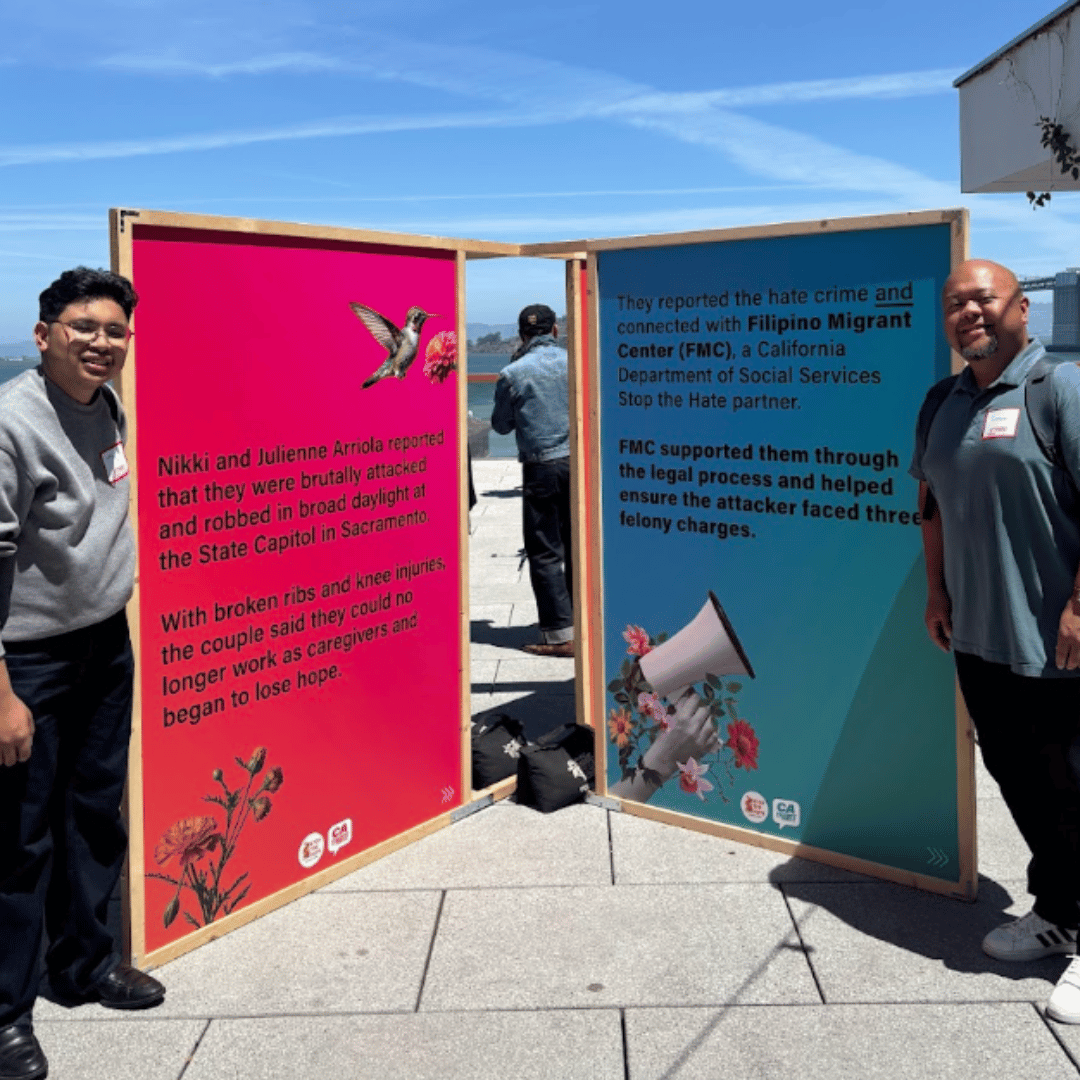
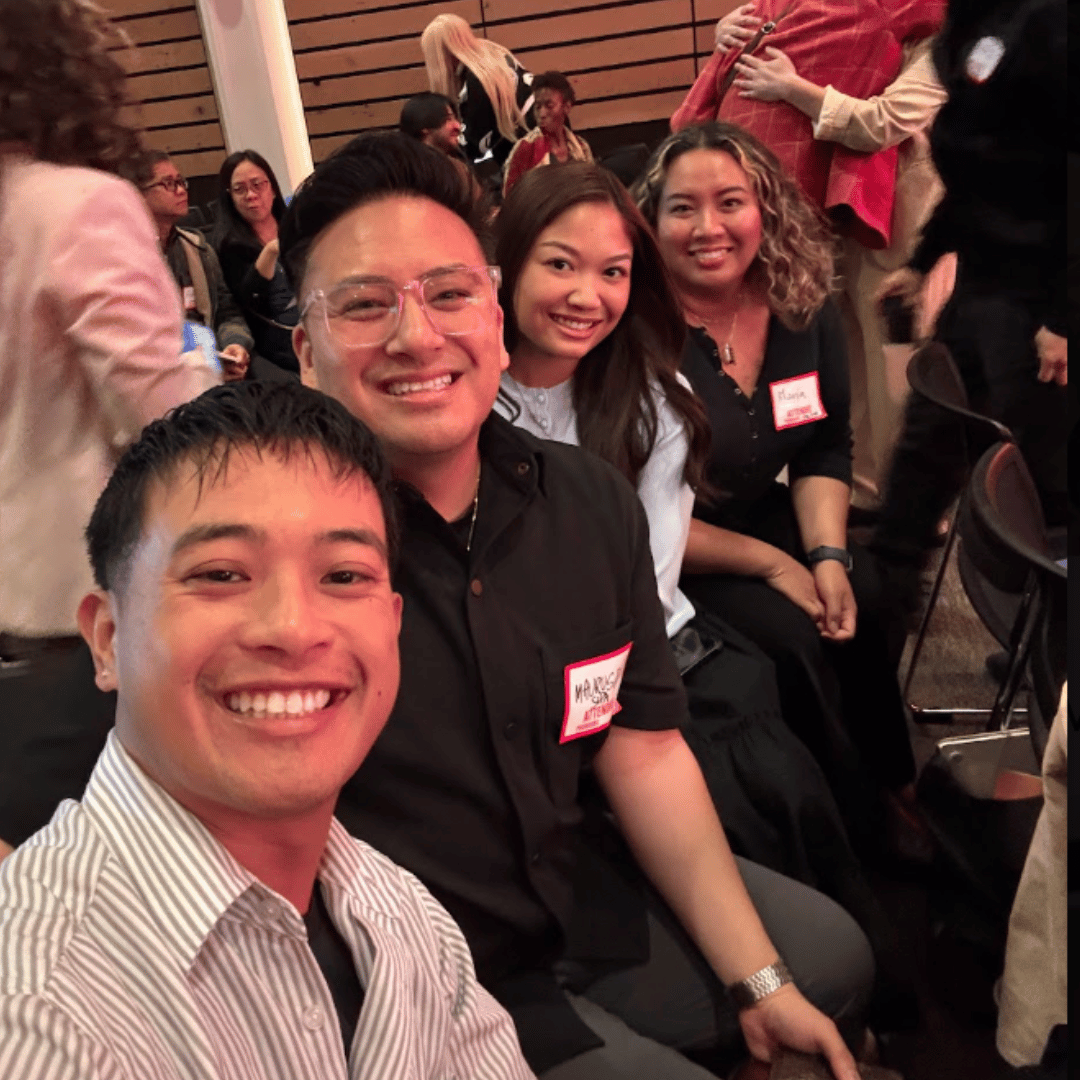
I walked into the summit not expecting to know a single person. I left having reconnected with old college friends from SIPA in Los Angeles and the team at the Filipino Migrant Center in Long Beach. Both of them provide anti-hate resources directly to our community.
Honestly, it was overwhelming. But seeing all the people who showed up to learn and organize and support each other, that's a space I don't take for granted.
We have a lot of Filipino values that taught us to stay quiet. Hiya. Pakikisama (keeping the peace). Bahala na (what will be, will be). But we also have bayanihan (lifting each other up). And kapwa (we belong to each other).
Speaking up when something happens to you, or to your lolo or lola, is bayanihan. It protects the next Filipino.
California built a hotline for exactly this. CA vs Hate is confidential. It offers support in Tagalog. There's no police or ICE involvement. Since launching in 2023, they've answered nearly 6,800 requests for help.
If something happens to you or someone you love, call 1-833-8-NO-HATE or visit CAvsHate.org.
Your voice protects the next Filipino.
This article was produced as part of a paid partnership with the California Civil Rights Department.